


Wallet Security
As digital assets have become an integral part of our lives, the need to protect them has grown increasingly important. Since cryptocurrencies are not safeguarded by a central authority, security is entirely the responsibility of the users. This is where wallet security comes into play: a set of measures designed to protect digital assets from unauthorised access, cyber attacks and potential loss.
Cryptocurrency wallets are tools used to store your private keys and carry out transactions. For this reason, it is crucial not only to implement technical security measures but also to adopt responsible user behaviour. Awareness of wallet security is the fundamental first step for both new users and experienced investors to navigate the digital world safely.
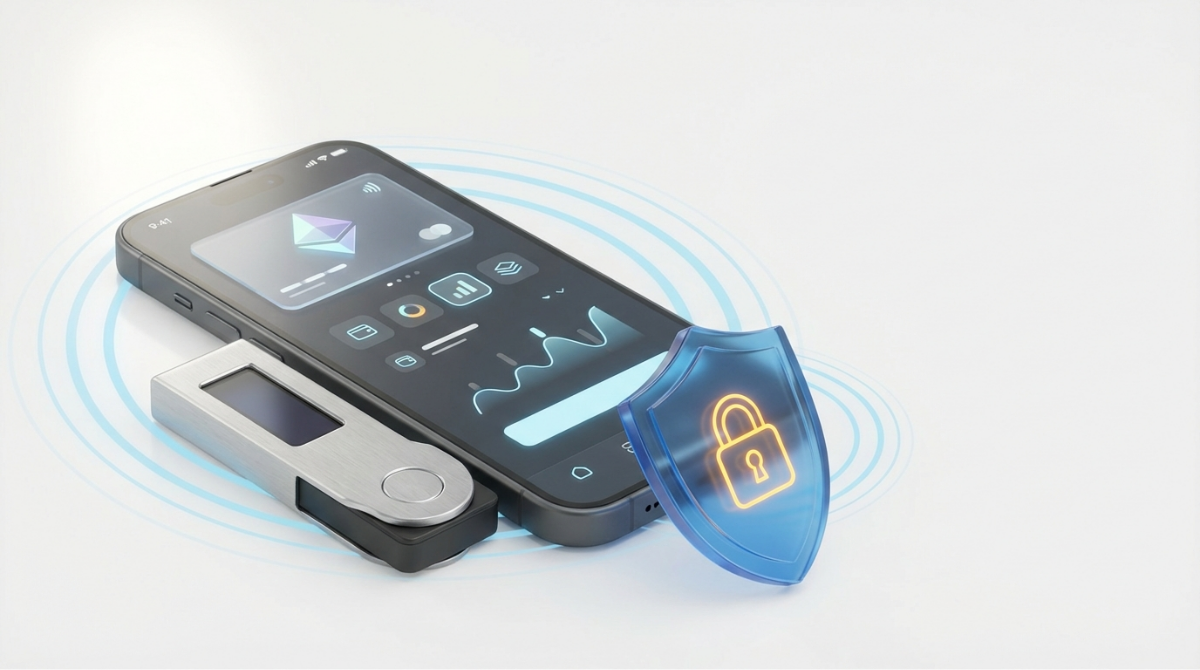
Wallet Security
Wallet security refers to the protection of software or hardware wallets—where cryptocurrencies and digital assets are stored—against unauthorised access. Crypto wallets do not hold physical money; they store the private keys that grant users access to their assets on the blockchain. If this key falls into the wrong hands, it means the loss of all assets.
Wallet security involves not only the secure generation, storage and backup of keys, but also the use of strong passwords, two-factor authentication, up-to-date software and avoiding suspicious links. In a digital ecosystem where there is no central authority, security must always be a priority, as user errors or negligence can lead to significant losses.
Types of Crypto Wallets and Security Levels
Crypto wallets are categorised based on their internet connectivity and who holds control over the private keys. Each type of wallet offers a different level of security and ease of use. The choice of which type to use depends on the user’s transaction frequency, the amount of assets held, and their level of technical knowledge.
Hot Wallets
Cold Wallets
For Safekeeping Purposes Custodial Wallets
Not For Safekeepign Purposes (Non-Custodial) Wallets
Mobile and browser-based wallets
Hot Wallets: Ease of Use and Risks
Hot wallets are software-based wallets that operate whilst connected to the internet. Mobile apps, desktop programmes and web-based platforms fall into this category. As they offer the ability to carry out transactions instantly, they are a popular choice amongst active cryptocurrency users.
However, a constant internet connection makes these wallets more vulnerable to cyber attacks, malware and phishing attempts. If the device is compromised, private keys may be at risk. Transactions carried out on untrusted networks, in particular, further increase this risk. For this reason, hot wallets are tools recommended for daily small transactions rather than for storing large amounts of assets. Using a strong password and two-factor authentication is critical to enhancing security.
Cold Wallets: The Safest Storage Method

Cold wallets are wallets that store private keys offline, thereby providing a strong barrier against internet-based threats. Hardware wallets and paper wallets are the best-known examples of this type. They are a secure method of choice for users planning to hold assets over the long term.
- Choosing a Reliable Source: When purchasing a cold wallet, opt only for official and verified channels; devices obtained from second-hand or unknown sources carry risks.
- Backing Up Your Seed Phrase: Keep the recovery phrase generated during wallet setup in a physically secure location; avoid keeping a digital copy.
- Offline Usage Guidelines: Please ensure that you do not connect your wallet to any internet-connected devices, except when signing transactions.
The Difference Between Wallets Designed for Storage and Those Not Designed for Storage
The key difference between these two types of wallet lies in who holds the private keys. The main reasons for choosing non-custodial wallets are as follows:
• Full Control: As private keys are held solely by the user, this ensures complete control over assets.
• Independence from platform risk: Assets remain unaffected in the event of a third-party platform’s bankruptcy or being hacked.
• Privacy: It offers a higher degree of anonymity thanks to its structure, which does not require user authentication.
• Resistance to Censorship: No organisation has the authority to freeze an account or restrict access.
Storage wallets, on the other hand, offer ease of use; however, the security of your assets depends largely on the platform. For this reason, making an informed choice regarding wallet security makes a significant difference in the long run.
Security Risks of Mobile and Browser-Based Wallets
Mobile wallets and browser-based wallets offer great convenience for everyday use. However, this convenience also brings with it various security vulnerabilities.
The loss, theft or compromise of mobile devices through malicious applications poses a direct threat to wallet security. In browser-based wallets, fake extensions and malicious websites present a serious risk. In particular, extensions downloaded from unofficial sources may be designed to steal private keys. Using these wallets on public Wi-Fi networks also creates an additional risk. Additional measures such as locking the device screen and app-based PIN protection also enhance security. To mitigate these risks, downloads should only be made from official app stores and the device’s operating system should be kept up to date.
Key Threats to Crypto Wallets
Cryptocurrency wallets are a target for various cyber threat actors. Identifying these threats is the first step in developing an effective defence strategy.
Phishing Attacks: Attackers attempt to steal users’ private keys or seed phrases via fake websites or emails that mimic legitimate platforms. These attacks can appear extremely convincing.
Malware: Malicious software that infiltrates a device can record keystrokes, take screenshots or manipulate process addresses by altering the contents of the clipboard.
Social Engineering: Attackers impersonate a trusted individual or organisation to persuade users to disclose sensitive information. Such attacks often create a sense of urgency, prompting users to make hasty decisions.
SIM Swapping Attacks: SMS-based verification codes can be intercepted by transferring a phone number to another SIM card.
Fake Apps: Fake software that mimics official wallet apps may be found in app stores with the aim of stealing user data. Downloading only from official sources significantly reduces this risk.
Basic Methods for Ensuring Wallet Security
There are various basic security measures you can take to protect your digital assets. Using these measures in combination significantly enhances your level of security.
Use Strong and Unique Passwords: Create long, complex passwords that are difficult to guess for your wallet accounts. Avoid using the same password on multiple platforms.
Two-Factor Authentication (2FA): Using 2FA via an authentication app instead of SMS provides an extra layer of security against unauthorised access attempts to your account.
Secure Storage of the Seed Phrase: Store the recovery phrase generated during wallet setup only in a physical form, in a secure location. Do not share this phrase digitally, via cloud services or by email.
Software Updates: Regularly updating wallet applications and device operating systems ensures that known security vulnerabilities are patched. Out-of-date software may contain vulnerabilities that attackers can easily exploit.
Cold Storage for Large Holdings: Keeping large amounts of cryptocurrency in offline wallets for long-term storage eliminates internet-related risks.
Practical tips for wallet security in everyday use
Wallet security is not limited to technical measures alone; daily habits also play a decisive role in this process. The practical steps below will help to significantly reduce potential risks.
Verify Links: When accessing crypto platforms, check the URL carefully. Do not use search engine results; instead, enter the address directly into the address bar or access the site via your bookmarks.
Avoid Public Networks: Avoid carrying out crypto transactions on shared Wi-Fi networks, such as those found in cafés, airports or shopping centres. If you must, use a reliable VPN.
Keep Small Amounts in a Hot Wallet: Only keep the amount you will need in the short term in the hot wallet you use for day-to-day spending.
Check Transaction Addresses: When sending cryptocurrency, always verify the recipient’s address after copying it; malware can alter the clipboard contents.
Be wary of suspicious offers: Messages promising unexpectedly high returns, links from unknown sources and communications designed to create a sense of urgency may be signs of a phishing attempt. In such situations, rather than acting hastily, the best approach is to verify the source through independent channels.
What Should You Do If Your Wallet Is Hacked?

If you realise that your wallet has been compromised, acting quickly and systematically is crucial to minimising the damage.
- If you have any assets that have not yet been stolen, transfer them immediately to a different, secure wallet. Create the new wallet on a clean device.
- Revoke the access permissions for all decentralised applications linked to the compromised wallet. You can do this via blockchain explorers.
- Make sure to secure any other accounts where you use the same password. Review your authentication methods.
- Document the transaction history, date and time details, and suspicious addresses. This information can be used when making a report to the relevant authorities.
- You can contact your country’s cybercrime unit or the relevant financial regulatory authority. Although recovering stolen cryptocurrency can be difficult, it is important to file an official report.
- Understanding how the attack took place is essential to preventing similar incidents in the future. Consider seeking assistance from a cybersecurity expert if necessary.
Frequently Asked Questions
What is wallet security and why is it important?
Wallet security involves protecting the private keys and recovery phrases that grant access to digital assets from unauthorised individuals. As there is no centralised security mechanism within the crypto ecosystem, users must take responsibility for their own security; otherwise, the loss of assets may be irreversible.
Is a hot safe or a cold safe more secure?
Cold wallets are much more secure against cyber attacks as they do not require an internet connection. Hot wallets, whilst practical for day-to-day transactions, are more vulnerable to online threats. Cold storage should be preferred for large amounts.
What is a seed phrase and how is it stored securely?
A seed phrase is a sequence of words that enables you to recover your wallet. You should only store this phrase physically, in a secure location that is resistant to fire and water. You must absolutely avoid storing it digitally, in cloud systems or as a photograph.
How does two-factor authentication (2FA) protect my cryptocurrency?
Two-factor authentication adds a second verification step to logging into your account, in addition to your password. This makes it more difficult for an attacker to access your account, even if your password is compromised. App-based 2FA is considered more secure than SMS-based 2FA.


Popüler Ürünler


Benzer Blog İçerikleri İlginizi Çekebilir

PayTR'da Pazarlama ve İletişim Stratejileri Nasıl Şekilleniyor?
PayTR’ın sektördeki lider ve en çok tercih edilen marka vizyonunu nasıl destekliyorsunuz? Doğru çözümü uygun işletmey
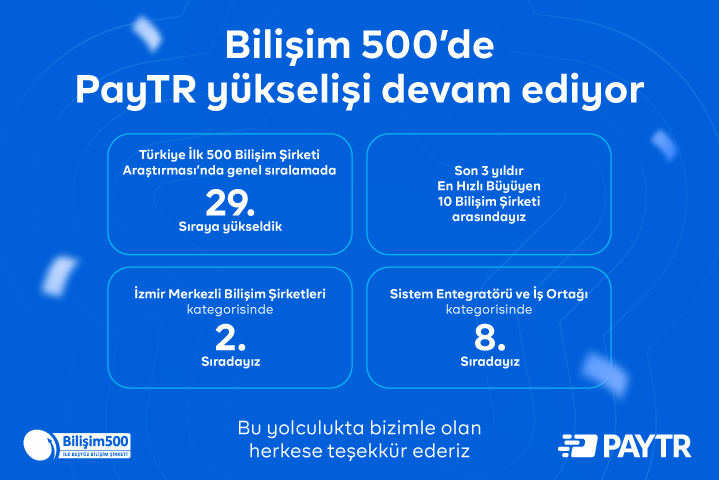
PayTR, Bilişim 500’de güçlü büyümesini sürdürüyor
Türkiye’nin en büyük 500 bilişim şirketinin sıralandığı Bilişim 500 Araştırması’nda PayTR, genel sıralamada 17 basamak y

PayTR, TOBB İş Dünyası Yapay Zeka Zirvesi’nde Destek Sponsoru Olarak Yer Aldı
Yapay zekânın iş dünyasında somut değere dönüştüğü uygulamaların ele alındığı TOBB İş Dünyası Yapay Zeka Zirvesi’nde des

PayTR, 2009’dan bu yana geliştirdiği başta Sanal POS olmak üzere, tüm yeni nesil ödeme teknolojileriyle işletmelerin güvenli, hızlı ve kolay ödeme almasını sağlar. Bugün 200 binden fazla işletmeye online ve fiziki ödeme çözümleri sunar.
PayTR Ödeme ve Elektronik Para Kuruluşu A.Ş. bir TÖDEB üyesidir.

PayTR Payment and Electronic Money Institution Inc. is a licensed electronic money and payment services institution established under Law No. 6493, regulated by the Central Bank of Turkey (TCMB). The PayTR brand is a registered trademark of PayTR Payment and Electronic Money Institution Inc.


We use cookies to provide you with a better shopping experience. For more information, you can review our cookie policy and the statement regarding personal data protection.